CISTREC_ADI_TP-308-2n3 2016 LIGHT VEHICLE WHEEL AND SUSPENSION-TROUBLESHOOTING SERVICE_11/2025
372 days / 2880 hours
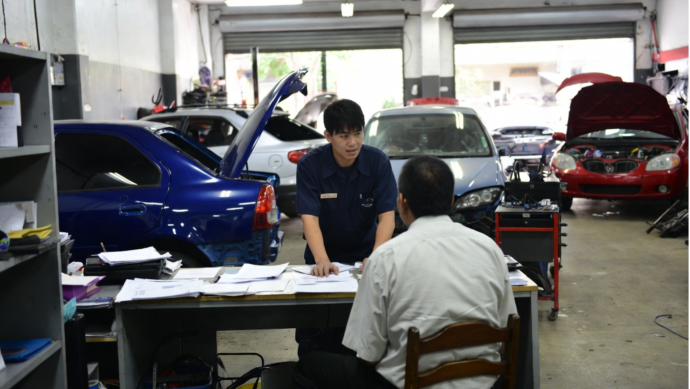
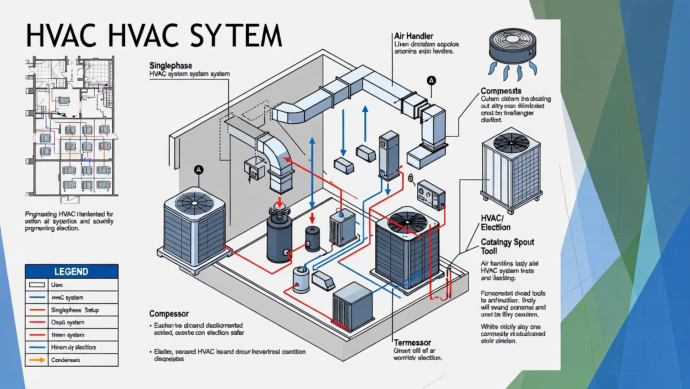
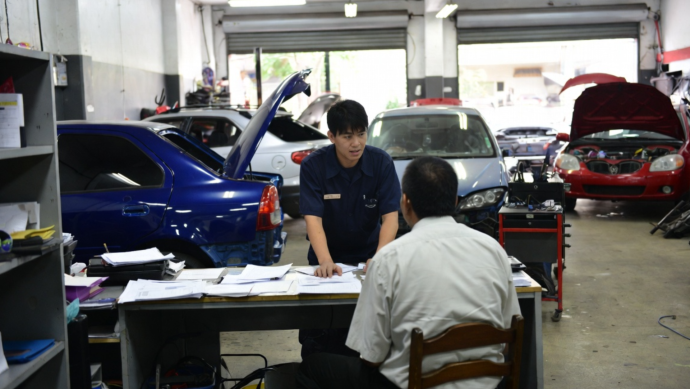
The automotive repair and maintenance industry consists of companies involved in automotive mechatronics, tyre services, automotive servicing, Heating Ventilation and Air Conditioning (HVAC), accessories, hybrid systems, NGV systems, and powertrain maintenance for light vehicles. The primary occupational functions in this field include the repair and replacement of parts, rust-proofing, oil changes, lubrication, tyre changes, and car washing. The demand for automotive repair and maintenance services generally depends on the number of vehicles on the road and the frequency of their use. Personnel in this sector are also required to conduct diagnostic tests, evaluate vehicle performance, perform repairs and maintenance, handle after-service and warranty tasks, and maintain an inventory of automotive parts to support comprehensive vehicle maintenance and repair operations. The Road Transport Department (JPJ), the Computerised Vehicle Inspection Centre (PUSPAKOM), and the Malaysian Rubber Board serve as regulatory and enforcement agencies responsible for ensuring that tyres used on vehicles comply with technical regulations and safety standards. These measures are in place to ensure that all tyres used on the road are safe. This NOSS is developed to focus on passenger vehicle wheel maintenance personnel. A tyre troubleshooting technician must ensure that all tyre systems are correctly installed and functioning properly. Their tasks typically include tyre replacement, rim replacement, wheel balancing, and wheel alignment. Based on the findings of the development workshop, it has been determined that the entry level for a career in passenger vehicle wheel repair services is at Level 3. This classification is justified by the nature of the work, which requires competency in performing a range of varied tasks in different contexts. Some of these activities are non-routine and require individual responsibility and autonomy. Technicians generally work by following instructions and customer requirements. This NOSS document provides a structured set of activities to guide individuals in achieving the required competencies within the education and training sector. Standard Practice and Standard Content form part of this NOSS document. The job area has been developed based on the results of the Occupational Area Analysis (OAA). This document covers the competency standards for Light Vehicle Wheel and Suspension Troubleshooting Service (Level 3). Standard Practice outlines the career pathway for professionals in this field, while Standard Content, along with the Training Manual and Internship Manual, completes the full NOSS framework.
BASIC WORKING COMMUNICATION
Z-009-1:2015-CA01
25h
PERSONAL BEHAVIOUR SKILL
Z-009-1:2015-CA02
38h
WORKPLACE ETHICS AWARENESS
Z-009-1:2015-CA03
10h
HEALTH, SAFETY AND ENVIRONMENTAL AWARENESS
Z-009-1:2015-CA04
27h
BASIC WORKING COMMUNICATION
Z-009-2:2015-CA01
25h
PERSONAL BEHAVIOUR SKILL
Z-009-2:2015-CA02
28h
WORK PLACE ETHICS AWARENESS
Z-009-2:2015-CA03
22h
HEALTH, SAFETY AND ENVIRONMENTAL AWARENESS
Z-009-2:2015-CA04
25h
EFFECTIVE COMMUNICATION
Z-009-3:2015-CA01
25h
INFORMATION TECHNOLOGY AWARENESS
Z-009-3:2015-CA02
15h
LEADERSHIP SKILL
Z-009-3:2015-CA03
78h
WORKPLACE ETHICS
Z-009-3:2015-CA04
22h
ADMINISTRATIVE SKILL
Z-009-3:2015-CA05
30h
HEALTH, SAFETY AND ENVIRONMENTAL IMPLEMENTATION CONSCIOUSNESS
Z-009-3:2015-CA06
30h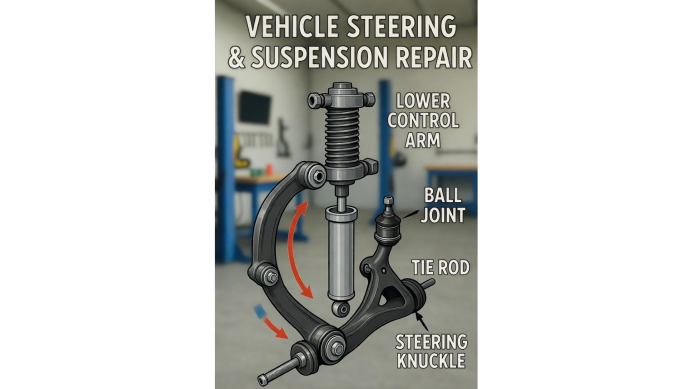
(ADI) VEHICLE STEERING & SUSPENSION REPAIR
TP-308-2:2016-C01
144h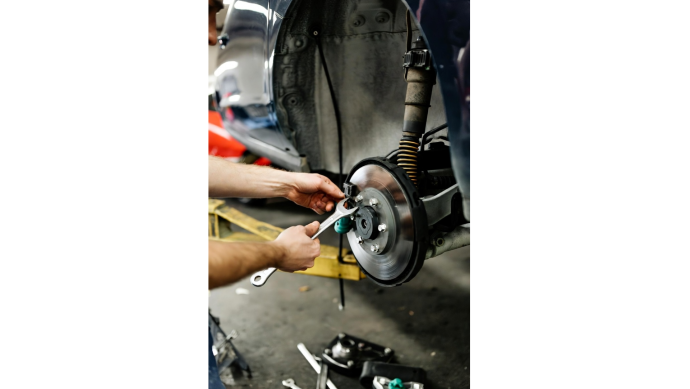
(ADI) VEHICLE BRAKE REPAIR
TP-308-2:2016-C02
112h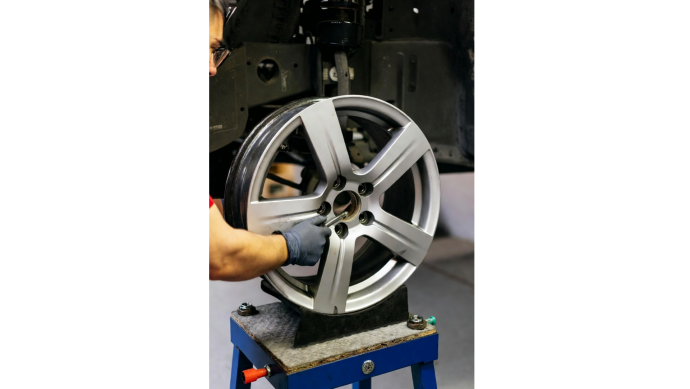
(ADI) VEHICLE WHEEL REPAIR
TP-308-2:2016-C03
96h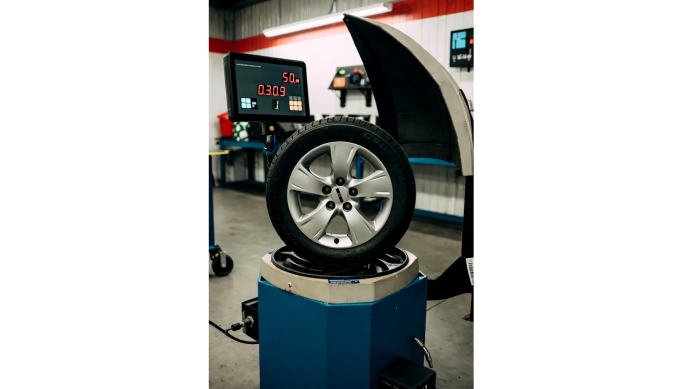
(ADI) VEHICLE WHEEL BALANCING
TP-308-2:2016-C04
112h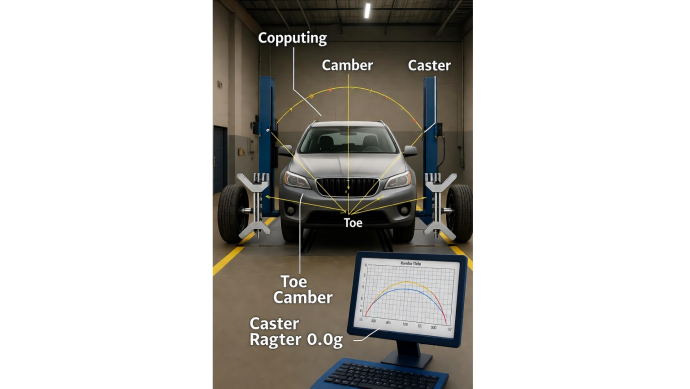
(ADI) VEHICLE WHEEL ALIGNMENT
TP-308-2:2016-C05
104h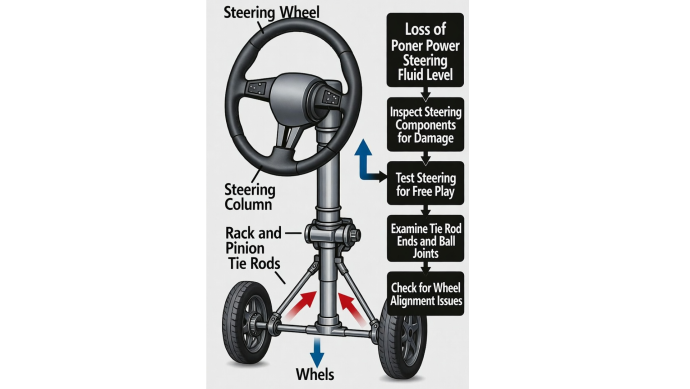
(ADI) VEHICLE STEERING FUNCTION TROUBLESHOOTING
TP-308-3:2016-C01
130h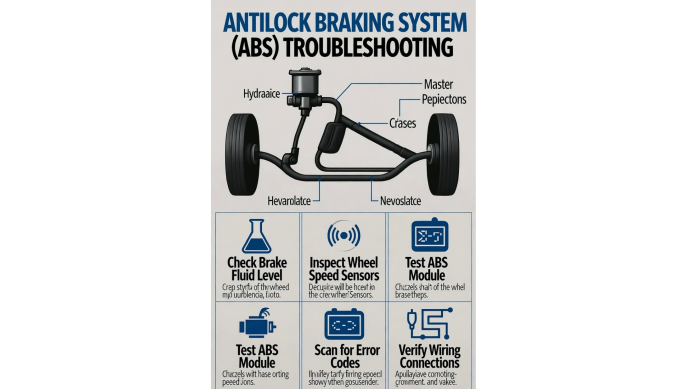
(ADI) ANTILOCK BRAKING SYSTEM (ABS) TROUBLESHOOTING
TP-308-3:2016-C02
124h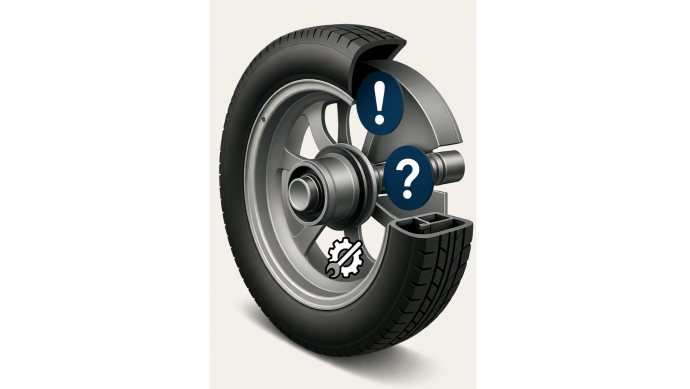
(ADI) VEHICLE WHEEL TROUBLESHOOTING
TP-308-3:2016-C03
158h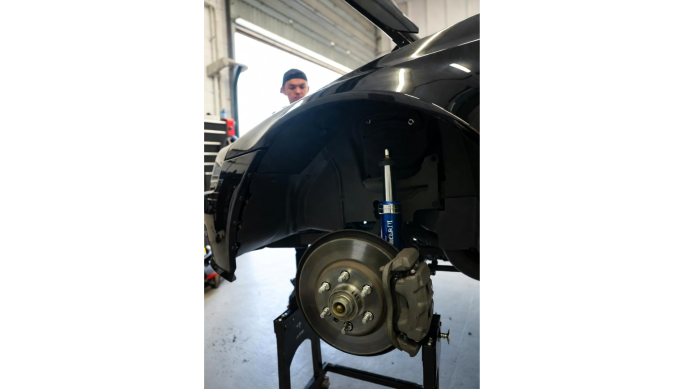
(ADI) WHEEL & SUSPENSION WORKSHOP SUPERVISION
TP-308-3:2016-C04
184h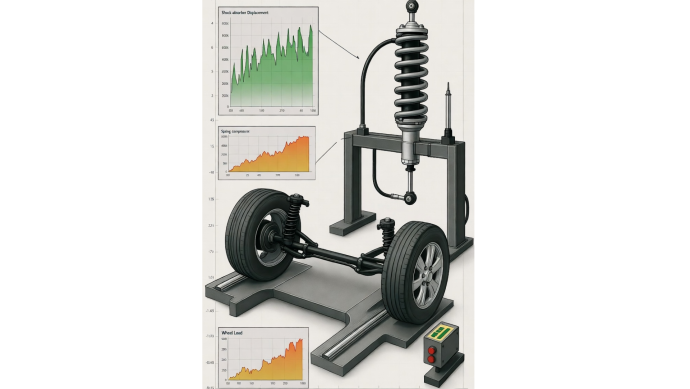
(ADI) WHEEL & SUSPENSION PERFORMANCE TEST
TP-308-3:2016-C05
204h
INSTITUTE OF SKILL
Training Centre
1,660
Students4
Courses61
ProgramsOther Courses